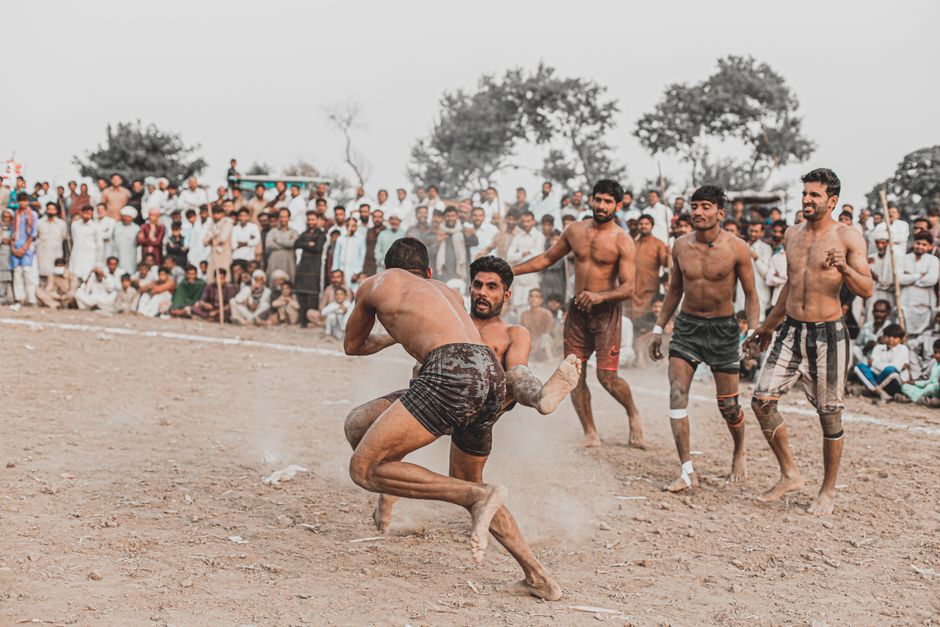
British kabaddi has its biggest mainstream platform in three decades. The British Kabaddi League is now broadcast on BBC iPlayer, the public broadcaster's streaming service, in a deal that gives the UK's domestic competition the kind of regular national exposure that the sport has not enjoyed since Channel 4's pioneering 1991 series introduced kabaddi to British audiences and pulled in more than a million viewers.
The iPlayer deal sits inside a broader UK kabaddi moment. The Kabaddi World Cup 2025 was held from 17 to 23 March across Wolverhampton, Coventry, Birmingham and Walsall, the first time the global tournament had been staged outside Asia. Organisers expected 5,000 fans across the schedule, and the West Midlands' deep South Asian community gave the event a built-in cultural and commercial base.
The figure most closely associated with the British push is Ashok Das, known across the kabaddi world as "The Kabaddi Daddy." Das has served as president of both World Kabaddi and the England Kabaddi Association and has been investing personal wages into UK grassroots since 1992. He has spent more than thirty years travelling weekly to teach the sport at venues including Sandhurst, established the European Kabaddi Cup in 2007, and has been the constant pressure behind every meaningful step the sport has taken on these shores.
The broadcast story has its own history. The Walia brothers, Yugesh and Sunandan, co-founded the Endboard production house and produced the 1991 Channel 4 series that introduced the sport to the wider British public. That show drew more than a million viewers and seeded a generation of British South Asian kids who knew the rules and the rhythm of a kabaddi raid even if they never put on a tracksuit.
The sport's appeal in this market is structural. Kabaddi requires no equipment, the rules are simple to grasp inside one match, and a single raid is a perfect short-form clip for social platforms. The decision-making under pressure is genuinely compelling for a casual viewer, and the cross-cultural footprint of the sport plays well in a UK media landscape that is constantly looking for stories that connect across communities.
"The sport's focus is on unity and teamwork," said England Women's Kabaddi Team captain Athira Sunil. Her squad has been a quiet success story for the British federation, producing competitive performances at international events and helping to anchor the women's pipeline that domestic clubs need to grow.
The scale comparison with India remains stark. The Pro Kabaddi League reaches around 400 million viewers globally, and kabaddi sits as India's second most popular sport with approximately 280 million regular viewers. The British scene operates at a fraction of that footprint, but the trajectory matters more than the absolute size, and the iPlayer deal puts the British competition into millions of UK homes through a channel they already have on every smart device.
Grassroots circle kabaddi continues to thrive in Hayes, Leicester and Bradford, where weekend tournaments draw tight community crowds and produce the kind of player development that the formal British Kabaddi League now feeds off. The next stage of the British project will be converting iPlayer viewing numbers into ticket sales for live events and ultimately into the kind of brand sponsorship that turns a sport from a passion project into a sustainable league.
Das and his network have spent more than three decades building the foundations. The Kabaddi World Cup landing in the West Midlands and the iPlayer broadcast deal are both downstream evidence that the foundations are starting to support a real structure. The next big test is whether kabaddi can break out of its core community footprint and recruit a fresh generation of British players from outside the South Asian diaspora.