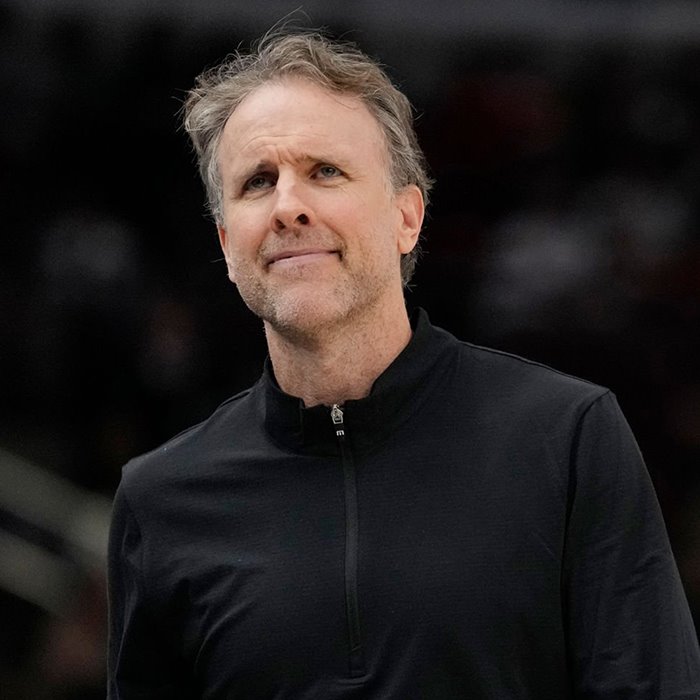
Standing 6-foot-4 with the commanding presence that once made him a respected player, Brian Keefe now towers over NBA sidelines in a different capacity – as the head coach tasked with steering the Washington Wizards through one of the franchise's most challenging periods in recent memory.
The Winchester, Massachusetts native has emerged as a stabilizing force for an organization desperately seeking direction. After years of cycling through coaching changes and roster overhauls, the Wizards have placed their trust in Keefe, a veteran basketball mind whose journey to the top job represents both personal triumph and organizational pragmatism.
Keefe's path to becoming an NBA head coach wasn't conventional. His imposing 6-4 frame hints at his playing background, though his true value has always resided in his basketball intellect and leadership capabilities. Unlike many of his peers who enjoyed lengthy professional playing careers, Keefe's coaching acumen was forged through years of studying the game from different angles, developing the tactical sophistication that now defines his approach.
Championship Implications
The Wizards' decision to elevate Keefe represents a calculated gamble on continuity over star power. In an era where franchises often chase big-name coaches with championship pedigrees, Washington has opted for someone who understands the organization's culture and possesses the patience required for a potential multi-year rebuild.
Keefe's coaching philosophy emphasizes defensive fundamentals and player development – two areas where the Wizards have historically struggled. His Massachusetts upbringing instilled a blue-collar work ethic that translates directly to his coaching style. He demands attention to detail and consistent effort, qualities that may not immediately translate to wins but establish the foundation necessary for sustainable success.
**Related:** [WTI Crude Oil Prices Steady Amid Demand Concerns and Geopolitical Tensions](/article/wti-crude-oil-prices-steady-amid-demand-concerns-and-geopolitical-tensions)
Looking Ahead
The current Wizards roster presents unique challenges that play to Keefe's strengths as a developmental coach. With a mix of young prospects and veteran players navigating uncertain roles, his ability to communicate effectively across different experience levels has become invaluable. His physical presence commands respect in team meetings, while his approachable demeanor helps younger players feel comfortable seeking guidance.
Championship Implications
Defensively, Keefe has implemented systems designed to maximize effort and positioning over pure athleticism. Understanding that the Wizards may lack the elite defensive talent of championship contenders, he focuses on creating schemes that allow players to succeed within their limitations. This pragmatic approach reflects his broader coaching philosophy – work with what you have while developing what you need.
Offensively, Keefe emphasizes ball movement and creating quality shots rather than relying on individual heroics. This systematic approach aims to develop better basketball habits throughout the roster while keeping games competitive even when talent disparities exist. His offensive sets prioritize player movement and spacing, modern NBA concepts that he's adapted to fit his personnel.
Perhaps most importantly, Keefe brings emotional stability to a franchise that has experienced significant turbulence. His even-keeled demeanor and professional approach provide the steady leadership that young players need during development phases. While he may not generate the media attention of more prominent coaches, his focus remains squarely on internal improvement rather than external validation.
The Massachusetts native's background has shaped his understanding of basketball as a team sport requiring collective sacrifice. This perspective proves particularly valuable when managing a roster where individual roles may fluctuate based on performance and organizational needs. Players respond to his authenticity and genuine investment in their development, qualities that cannot be manufactured or faked.
Keefe's challenge extends beyond X's and O's to encompass roster management and organizational alignment. The Wizards' front office has made it clear that sustainable success takes precedence over short-term wins, giving him the runway necessary to implement his vision without the pressure of immediate results.
His coaching staff reflects his collaborative approach, surrounding himself with assistants who complement his skill set while sharing his commitment to player development. This collective expertise helps ensure that his message resonates across different position groups and experience levels.
Looking ahead, Keefe's success will be measured not just in wins and losses but in the development of young talent and the establishment of a sustainable organizational culture. His ability to maintain team morale during difficult stretches while continuing to push for improvement represents perhaps his greatest asset as a leader.
The NBA's coaching landscape continues evolving, but fundamental leadership qualities remain constant. Keefe's combination of size, basketball intelligence, and genuine care for player development positions him well to navigate the challenges ahead. While the Wizards' immediate future may involve growing pains, his steady presence provides the stability necessary for long-term success.
For a franchise seeking to rebuild its identity, Brian Keefe represents more than just a coaching hire – he embodies the patient, professional approach that sustainable NBA success requires.