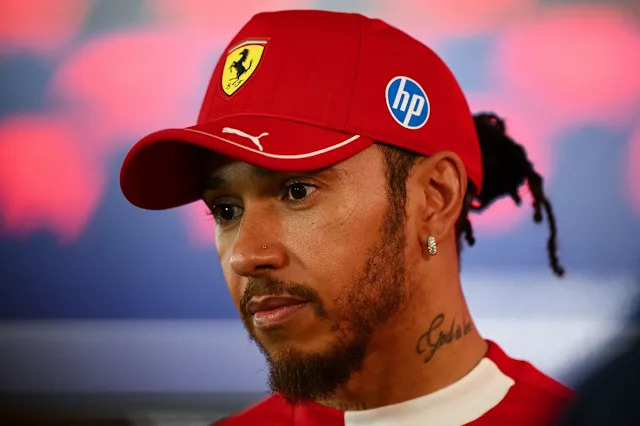
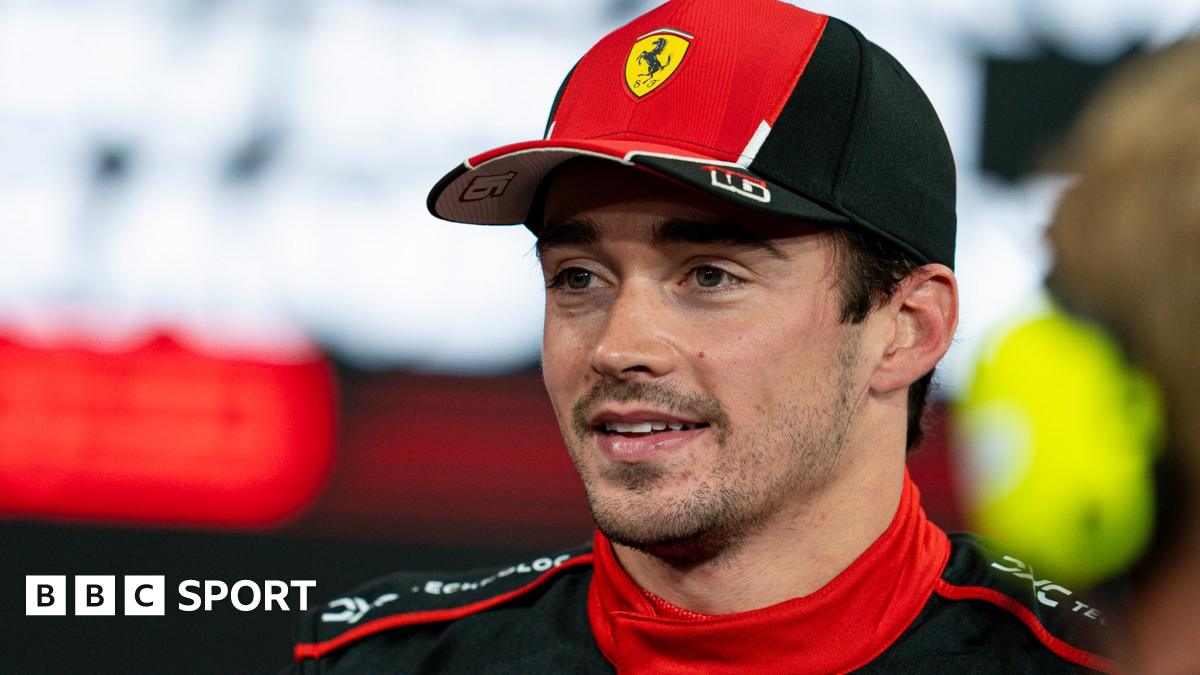
Charles Leclerc will start at the front of the grid in the upcoming Azerbaijan Grand Prix, marking his fourth time claiming pole position at this event. Despite this impressive feat, Leclerc has yet to transform any of these opportunities into a victory at the Baku City Circuit, a track known for its uniqueness and difficulties.
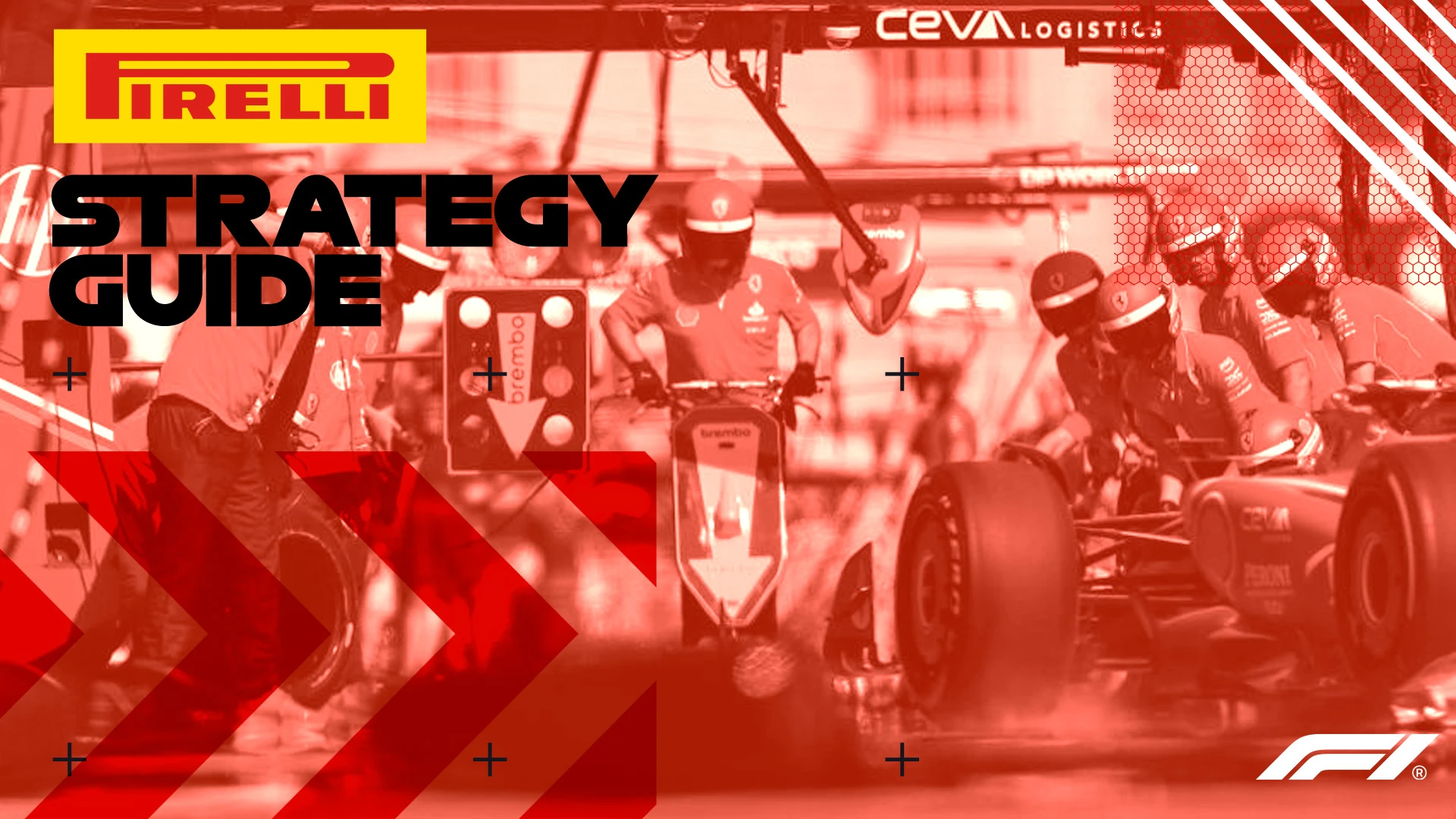
"To break that duck this time around, he’ll need quick and clean driving, a reliable car – and the right strategy," pointed out Matt Youson, a special contributor analyzing the race. Effective race strategies are integral in navigating the challenges posed by Baku, where drivers contend with tight corners and the potential for chaos.
"To break that duck this time around, he’ll need quick and clean driving, a reliable car – and the right strategy,"
The tactical decisions made during the race will ultimately be influenced by tire performance and pit strategies. Pirelli, the key tire supplier for Formula 1, is instrumental in advising teams regarding the best possible tire choices for varying conditions on the track. As Youson explains, understanding these options is crucial for any team aiming for victory.
"The fastest way to the flag in the Land of Fire often hinges on strategic tire management and adapting to race developments,” said a Pirelli representative. Different tire compounds provide varying advantages, and coordinating pit stops effectively can give drivers a significant edge.
Qualifying
Leclerc, to achieve success, will likely need to take full advantage of his pole position. He commented on his approach, stating, "I am focused on bringing my best performance, but we know Baku can be unpredictable. It’s all about staying sharp and adjusting quickly during the race." This mindset reflects the necessity of adaptability given the track's history of unexpected incidents.
**Related:** [Newgarden Wins IndyCar Grand Prix of Phoenix from Second](/article/newgarden-wins-indycar-grand-prix-of-phoenix-from-second)
Historically, the Azerbaijan Grand Prix has seen several dramatic turns, prompting teams to prepare for a variety of scenarios. A driver’s ability to respond to evolving situations, including safety car periods and tire degradation, could make or break their chance at victory.
"It's essential to remain flexible, given the circumstances that can arise throughout the race," noted another analyst familiar with the Baku Circuit's intricacies. Strategic tire selection, whether opting for a two-stop strategy or a more conservative one-stop plan, will play a vital role in shaping the outcome.

"It's essential to remain flexible, given the circumstances that can arise throughout the race,"
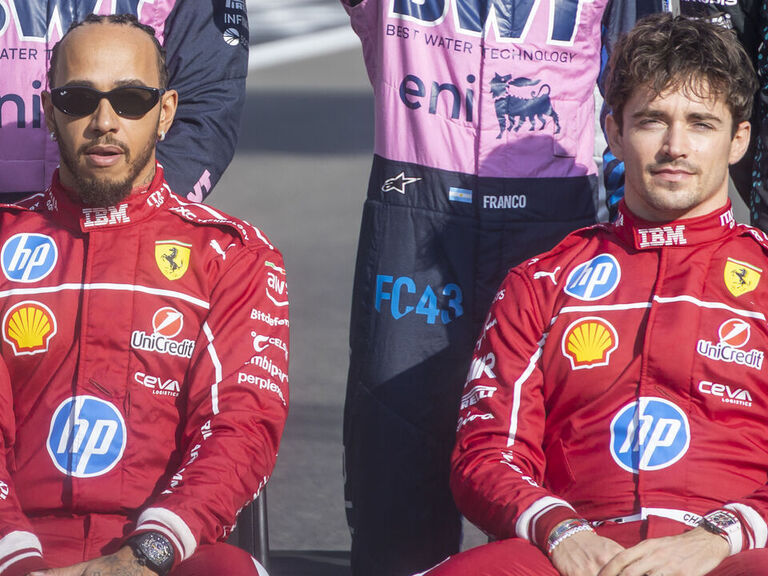
The event, marked by its spectacular backdrop and demanding layout, is also characterized by tight straights and dangerous corners. Teams must maximize their grip on the tires to outperform competitors while minimizing the risk of collision or mechanical failure.
"Each decision we make in the pit can have a ripple effect on the overall race outcome," stated a team strategist. Recognizing the nuances of each tire compound and timing pit stops precisely will be critical as teams navigate through this thrilling yet tricky circuit.
"Each decision we make in the pit can have a ripple effect on the overall race outcome,"
Qualifying
As fans eagerly anticipate the race, much attention will be on how leaders like Leclerc manage their strategies under pressure and whether they can finally turn pole positions into significant victories. The strategies employed by competing teams promise a blend of calculated risks and high-stakes decisions, all unfolding on the streets of Baku.
In summary, the Azerbaijan Grand Prix promises to be a tactical battle as much as a speed contest. With personalities like Leclerc at the forefront, the race could very well bring the thrill that fans have come to expect from Formula 1, hinging significantly on strategy, tire choices, and driver performance under pressure.