Standing tall at 1.98 meters and weighing 115 kilograms, Api Ratuniyarawa cuts an imposing figure in the engine room of Northampton Saints' pack. The Fijian lock has established himself as a cornerstone of the Saints' forward contingent, bringing a unique blend of Pacific Island flair and English Premiership grit to Franklin's Gardens.
Born in Sigatoka, a coastal town on Fiji's main island of Viti Levu, Ratuniyarawa represents the continuing tradition of Fijian rugby excellence that has enriched the global game for decades. His journey from the sun-soaked rugby fields of his homeland to the intense battlegrounds of the Premiership exemplifies the international pathways that have become increasingly vital to modern professional rugby.
At 6 feet 6 inches tall, Ratuniyarawa possesses the physical dimensions that make him ideally suited to the lock position. His height advantage proves invaluable in the lineout, where securing possession is crucial to any team's territorial and attacking ambitions. The lock position demands a player who can excel in rugby's aerial battles while also providing the grunt work in the tight exchanges, and Ratuniyarawa's frame allows him to fulfill both requirements effectively.
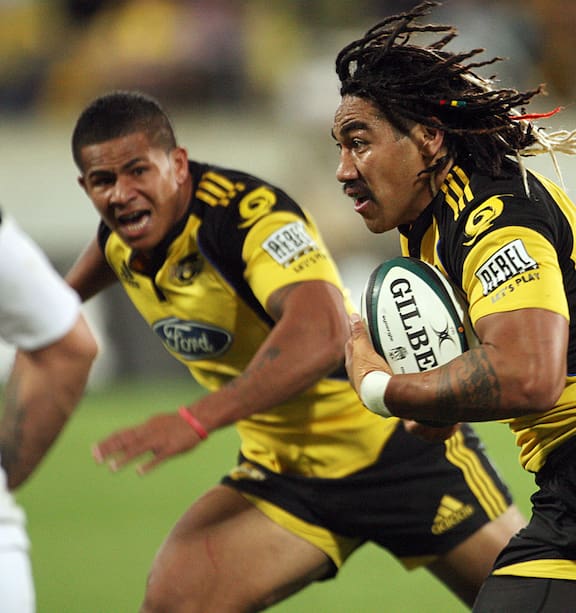

The 254-pound forward brings more than just physical presence to Northampton's pack. Fijian rugby players are renowned for their natural handling skills and offloading ability, traits typically associated with backs but increasingly valuable in modern forward play. This Pacific Island rugby DNA allows Ratuniyarawa to contribute to the Saints' attacking patterns in ways that go beyond the traditional lock role of winning lineout ball and providing scrum stability.
Ratuniyarawa's positioning in the second row places him at the heart of Northampton's set-piece operations. The lineout has become increasingly sophisticated in professional rugby, with complex lifting and timing sequences that require locks to be both athletic jumpers and accurate ball-winners. His height advantage, combined with the timing developed through professional training, makes him a reliable target for the Saints' hookers when they need guaranteed possession.
**Related:** [Blues Claim Victory Over Fijian Drua in Pacific Showdown](/article/blues-claim-victory-over-fijian-drua-in-pacific-showdown-f66b67)

In the scrum, Ratuniyarawa forms part of the engine room that provides the power base for Northampton's forward drive. Modern scrummaging requires locks to generate enormous force through their legs while maintaining perfect binding and body position. At 115 kilograms, he possesses the mass necessary to anchor the scrum effectively, while his athletic conditioning allows him to sustain this effort throughout the demanding 80-minute contests that define Premiership rugby.
The transition from Fijian to English rugby represents a significant adaptation challenge that Ratuniyarawa has navigated successfully. The Premiership's intensity and physicality differ markedly from other rugby environments, with the pace of play and collision frequency demanding exceptional fitness levels and mental resilience. His continued presence in the Saints' squad demonstrates his ability to meet these demanding standards consistently.
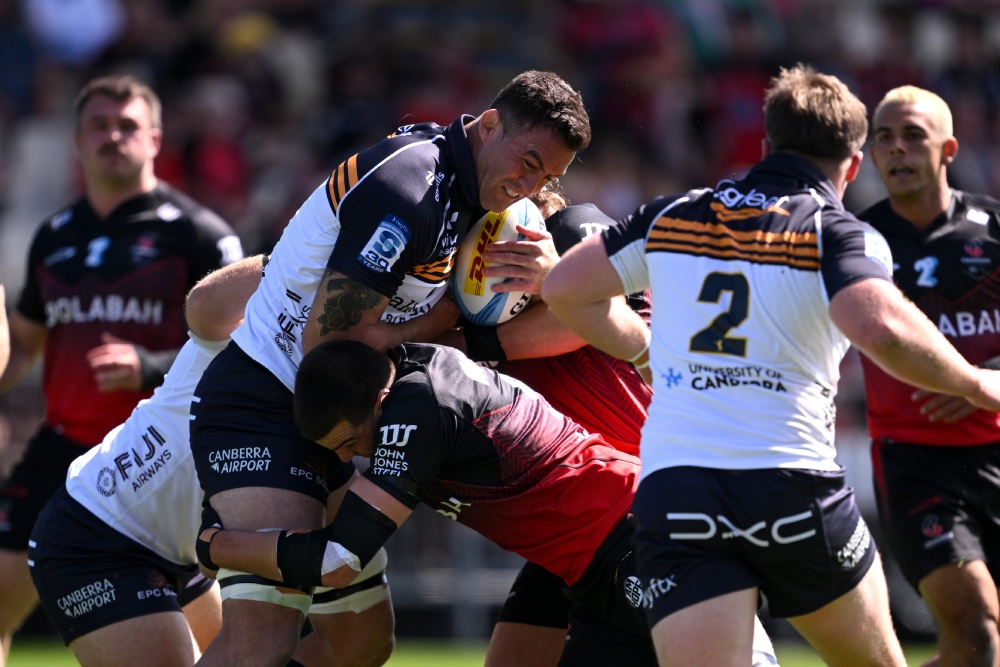
Northampton Saints have long prided themselves on their forward power, and Ratuniyarawa's contributions help maintain this traditional strength. The Saints' pack needs to dominate set-pieces to provide the platform for their attacking game, and having a reliable lineout option like Ratuniyarawa allows the team's tactical approach to be more varied and unpredictable.

Career Journey
The modern game increasingly demands that forwards contribute beyond their traditional roles, and Ratuniyarawa's Pacific Island background provides him with skills that enhance Northampton's attacking options. Fijian players typically develop exceptional ball-handling abilities from an early age, playing a more expansive style of rugby that emphasizes creativity and offloading. These skills translate effectively to the professional environment, where forwards are expected to contribute to attacking phases and maintain possession under pressure.
Career Journey
Ratuniyarawa's presence also reflects Northampton's commitment to international recruitment and development. The Premiership has become increasingly global, with clubs seeking talent from rugby-playing nations worldwide. His success at Franklin's Gardens demonstrates the mutual benefits of this international approach – clubs gain access to unique skill sets while players from smaller rugby nations can develop their careers on one of the world's premier stages.
The lock position requires exceptional work rate across all phases of play, from set-piece duties to breakdown involvement and defensive responsibilities. Ratuniyarawa's conditioning and commitment allow him to fulfill these varied demands while maintaining the consistency that professional rugby requires. His reliability in performing these unglamorous but essential tasks provides the foundation upon which Northampton's more spectacular plays can be built.
Championship Implications
As rugby continues to evolve tactically and athletically, players like Ratuniyarawa represent the modern forward – physically imposing enough to dominate traditional set-piece battles while possessing the skills and mobility to contribute across the field. His combination of Fijian rugby heritage and Premiership experience makes him a valuable asset for Northampton Saints as they pursue their championship ambitions in one of rugby's most competitive leagues.