
As Formula 1 prepares for significant changes in 2026, the new regulations are set to bring a wave of opportunities for rookie drivers. Traditionally, entering the world of F1 has been a steep learning curve, often favoring those with extensive experience. However, these upcoming alterations aim to shift that narrative.
Only a handful of rookie drivers have made a mark in 2025, with many struggling to adapt to the highly competitive environment. “Only one F1 rookie this year has been driving like a veteran,” said an analyst familiar with the current dynamics. This statement highlights the challenges that newcomers face when competing in a sport steeped in tradition and experience.
With the 2026 technical reset on the horizon, teams will be required to adopt new habits and strategies. This reset is anticipated to level the playing field, making it easier for novices to adapt and thrive. “Next season’s controversial technical reset will force everyone to adopt new habits,” noted a team principal. This fundamental shift may lead to a more competitive environment where experience is less of an overwhelming advantage.

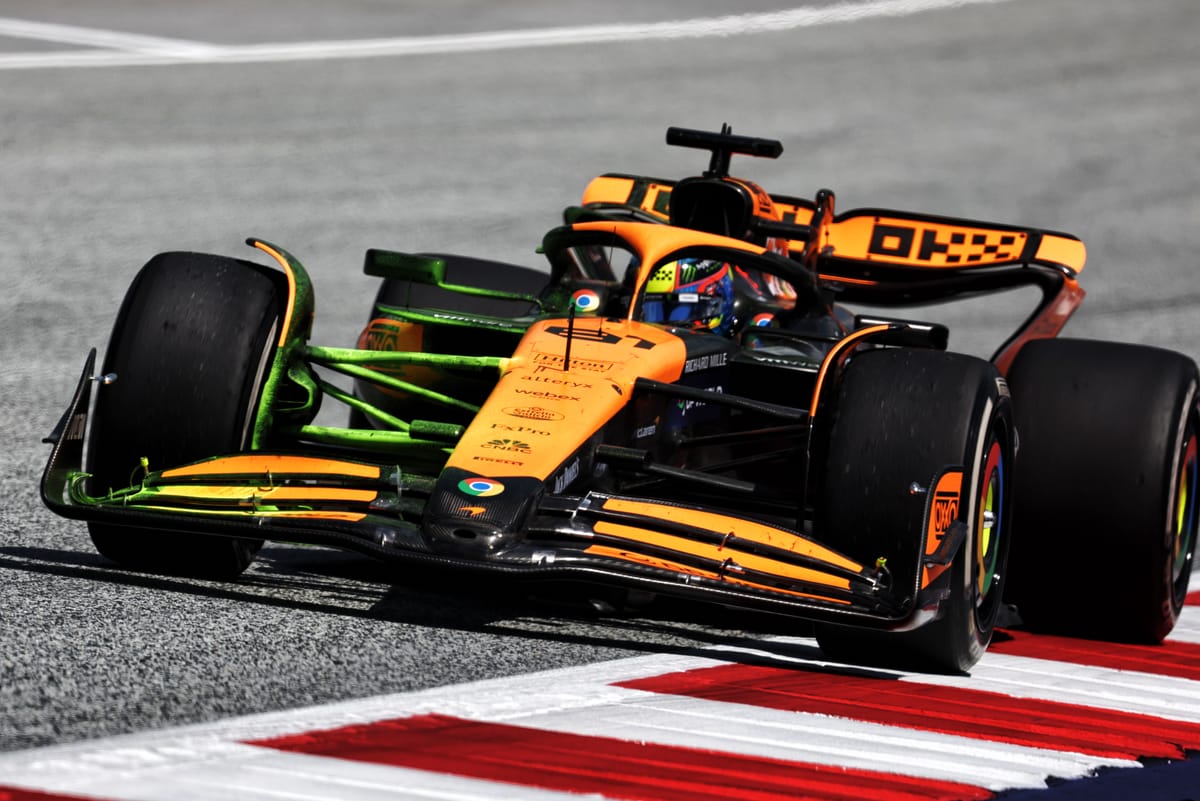
The excitement surrounding the 2026 rules reflects F1’s recognition of the changing landscape of motorsport. Younger and less experienced drivers often bring fresh perspectives and innovative approaches. The anticipated regulations will likely encourage teams to prioritize talent over tenure, particularly as they navigate the complexities of the new structures.
**Related:** [VR46 Set to Announce Ducati Deal 'Next Month' Despite Aprilia Interest](/article/vr46-set-to-announce-ducati-deal-next-month-despite-aprilia-interest)
Impact and Legacy

Impact and Legacy
Impact and Legacy
In addition, the 2026 rules aim to enhance safety and sustainability within the sport. Innovations in hybrid technology and engine performance will not only impact race outcomes but also provide rookies with the tools necessary to perform at their best from the outset. “The new rules are a chance for everyone to start with a clean slate,” stated an executive involved in the regulatory discussions.
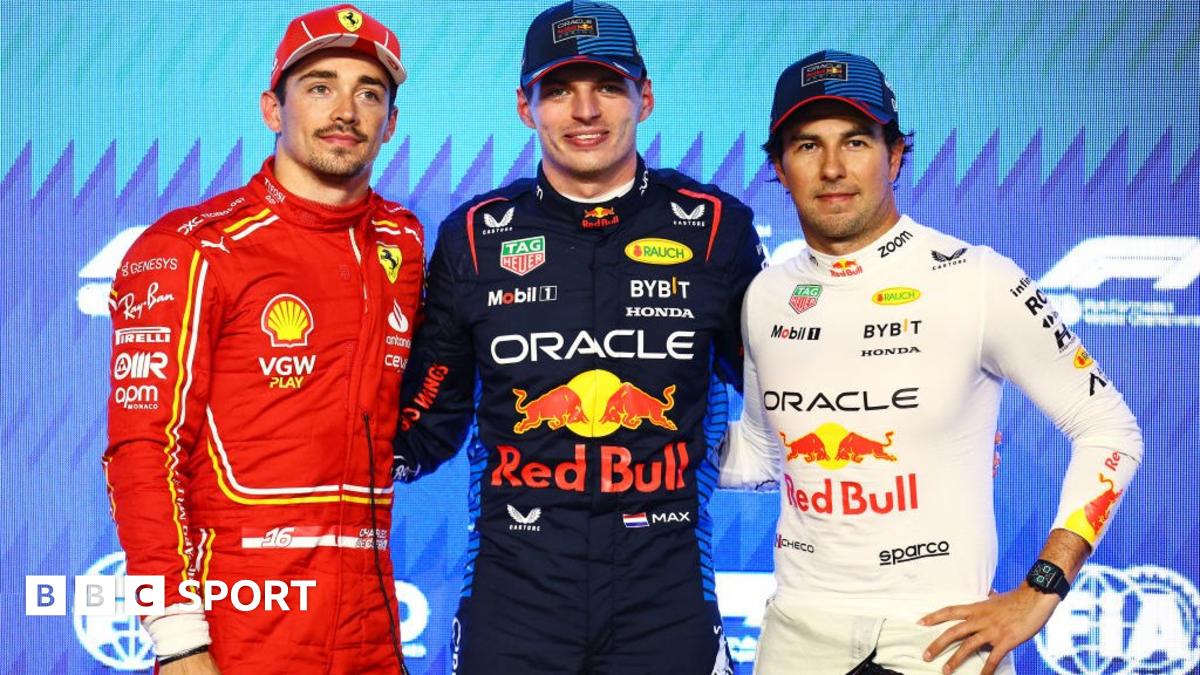

The inclusion of teams that have historically struggled further underscores this shift. With more competitive packages on the table, drivers like Liam Lawson from the Racing Bulls team and Oliver Bearman of the Haas F1 team are eager to showcase their abilities against more seasoned competitors. “We are ready to show what we can do with these new regulations,” said Lawson, highlighting the confidence among rookies.
Championship Implications
Championship Implications
While some existing teams may resist the changes, arguing that experience should still be a crucial factor, the overall sentiment points toward a necessary evolution within the sport. “F1 must adapt to remain relevant and engaging for fans,” insisted another team strategist.
As F1 continues to attract diverse and promising talent, the landscape of rookie drivers appears poised for transformation thanks to the upcoming 2026 rule changes. The expectation is that as the teams all grapple with the new regulations, less experienced drivers will face an environment where they can more readily excel.
Current Season
With a competitive spirit igniting among both new entrants and veteran teams, the 2026 season promises to redefine what it means to be a rookie in Formula 1.