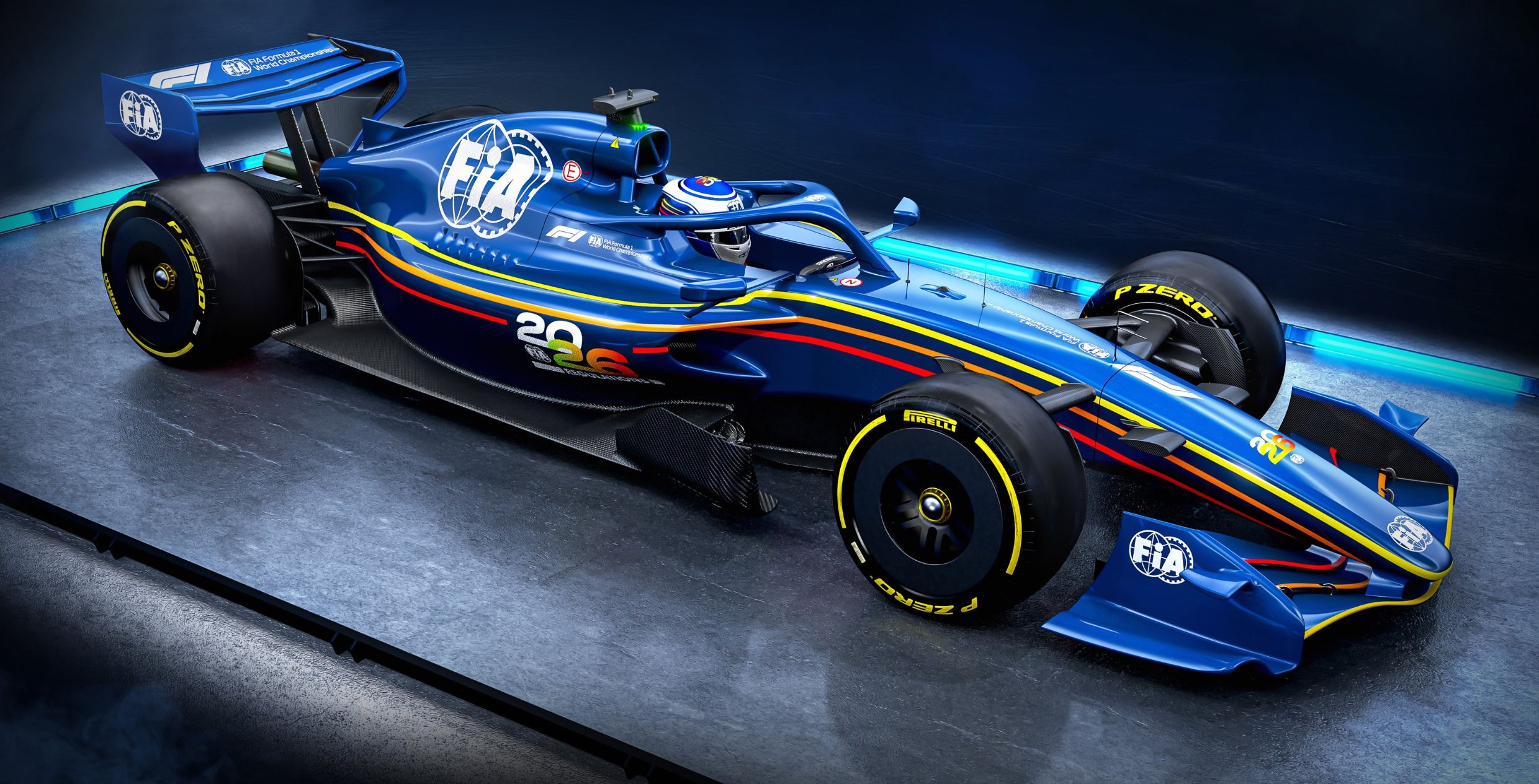
As Formula 1 continues to innovate, the 2026 regulations promise a seismic shift in the sport. The upcoming modifications aim to enhance competitiveness, sustainability, and safety while preserving F1's core essence.
The changes, initiated by the FIA, feature a range of updates set to redefine the racing landscape. Central to this transformation is the introduction of lighter, smaller cars, which will weigh approximately 30kg less than their current counterparts. The wheelbase will also be shortened by 200mm, making vehicles more agile for close racing.
In a bid to replace the currently used DRS system, F1 will unveil active aerodynamics, giving drivers the ability to toggle between 'low drag' and 'high downforce' settings. This addition promises to significantly impact racing strategies, especially during varied track conditions.
Career Journey
Career Journey
**Related:** [Russell Wins Thrilling Chinese GP Sprint After Six Lead Changes](/article/russell-wins-thrilling-chinese-gp-sprint-after-six-lead-changes)

Career Journey
A notable alteration is the revolution in power units, where the MGU-H component will be phased out. In its stead, the MGU-K will play a crucial role, boasting an output of nearly three times the current figure at 350 kW. This change aims for a near 50/50 distribution between electric power and internal combustion. Environmental concerns are also at the forefront, as all F1 cars will utilize 100% sustainable fuel by 2026, in line with the sport's commitment to achieving net-zero carbon emissions by 2030.
Impact and Legacy
Impact and Legacy

Safety will see enhancements, with stronger side-impact structures and innovative roll hoops entering the fray. Additional lighting systems will indicate the energy recovery status of the vehicles to improve on-track safety.
Race Results
A strategic decision to reduce downforce by around 15% may result in lap times estimated to be two seconds slower. However, the intention is to facilitate more engaging race dynamics.
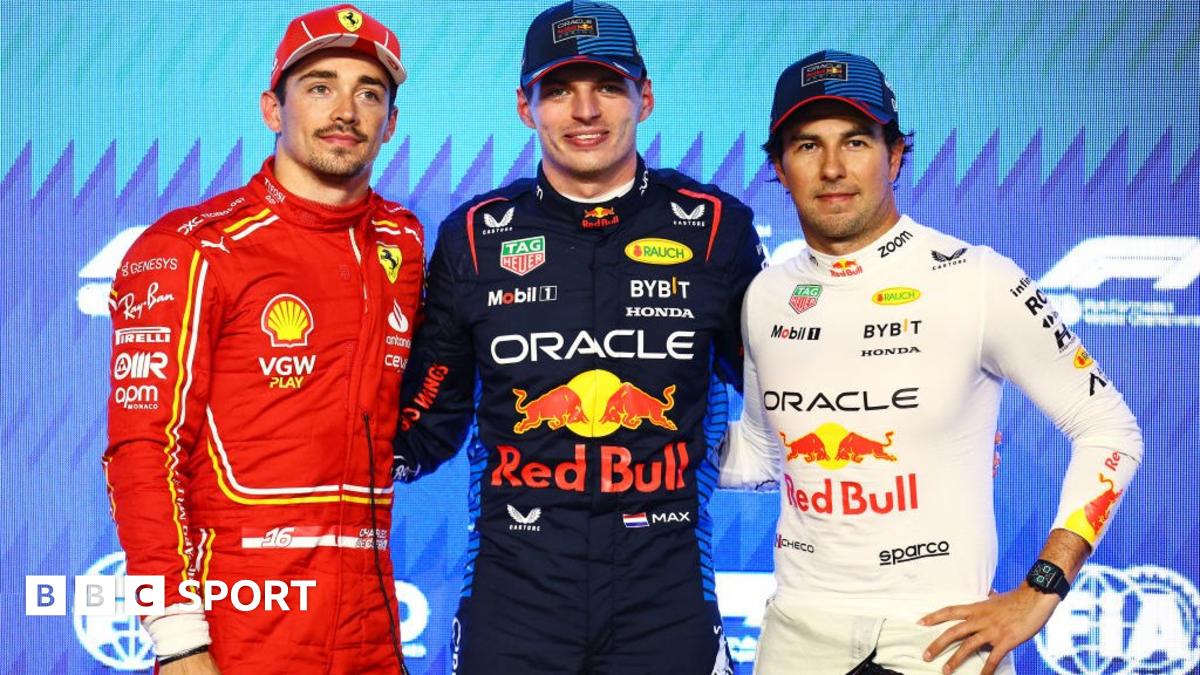
When discussing these monumental changes, driver sentiments vary, reflecting their perspectives on the sport's evolution. Ferrari's Charles Leclerc expressed a mix of apprehension and optimism regarding the new dynamics. "It’s going to be very strange. We’ve built up muscle memory with the cars we have now, and that goes completely away. It’s like starting again," said Leclerc, highlighting the challenge of adapting to a new driving style.
Lance Stroll of Aston Martin shared a more nostalgic viewpoint. "It should be fun to see light, nimble, fast cars with a lot of downforce. Less of an energy, battery, science project… it feels a bit sad," he remarked. Stroll acknowledged the importance of sustainability but is concerned that an excessive focus on energy management could dampen the thrilling aspect of racing.
Mercedes driver George Russell provided a balanced take on the impending changes, emphasizing the opportunity they present. "It’s an exciting opportunity for Formula 1. We’ll have lighter cars, more electric power, and new aero. But it’s going to be a huge challenge for us drivers—and for the teams—to adapt quickly," said Russell. He observed that these regulations might help level the playing field, particularly in the initial years.
Meanwhile, reigning champion Max Verstappen conveyed his worry regarding the potential overemphasis on battery management. "I don’t want races to be about drivers lifting off halfway down a straight to save battery. That’s not racing," he stated firmly. Verstappen's concerns resonate with fans who fear that strategy may become overly dominant, overshadowing pure racing skill.
Cautiously optimistic, McLaren's Lando Norris sees a silver lining, stating, "If these changes bring closer racing and give more teams a chance to fight at the front, then it’s worth it. That’s what the fans want, and that’s what we want as drivers." Norris' perspective reflects a common hope among drivers that the impending modifications may foster greater competition.
As the 2026 season approaches, the Formula 1 community remains on alert. These pivotal changes not only aim to shape the future of racing but also promote sustainability and enhanced safety, paving the way for a new era of the sport. This transformation, however, comes with challenges that drivers must navigate as they adapt to the innovations.