As Formula 1 gears up for its 2026 season, significant changes are on the horizon regarding power units, with the FIA preparing to abolish the split-turbo engine architecture. This announcement follows the release of aerodynamic regulations earlier in the summer and marks a pivotal evolution in F1 technology.
The 2026 regulations emphasize a shift towards enhanced electric performance while concurrently limiting the capabilities of internal combustion engines. Under the new framework, electric components within the engines will see their power bolstered, tripling overall energy output, while restrictions on the internal combustion engines will be tightened.
"The new regulations provide for an important novelty that will lead to the ban of one of the most popular solutions of the hybrid era," noted a representative from the FIA. A significant aspect of this overhaul includes the elimination of the Motor Generator Unit-Heat (MGU-H) which has been a staple since 2014, responsible for converting exhaust heat into usable energy.
"The new regulations provide for an important novelty that will lead to the ban of one of the most popular solutions of the hybrid era,"
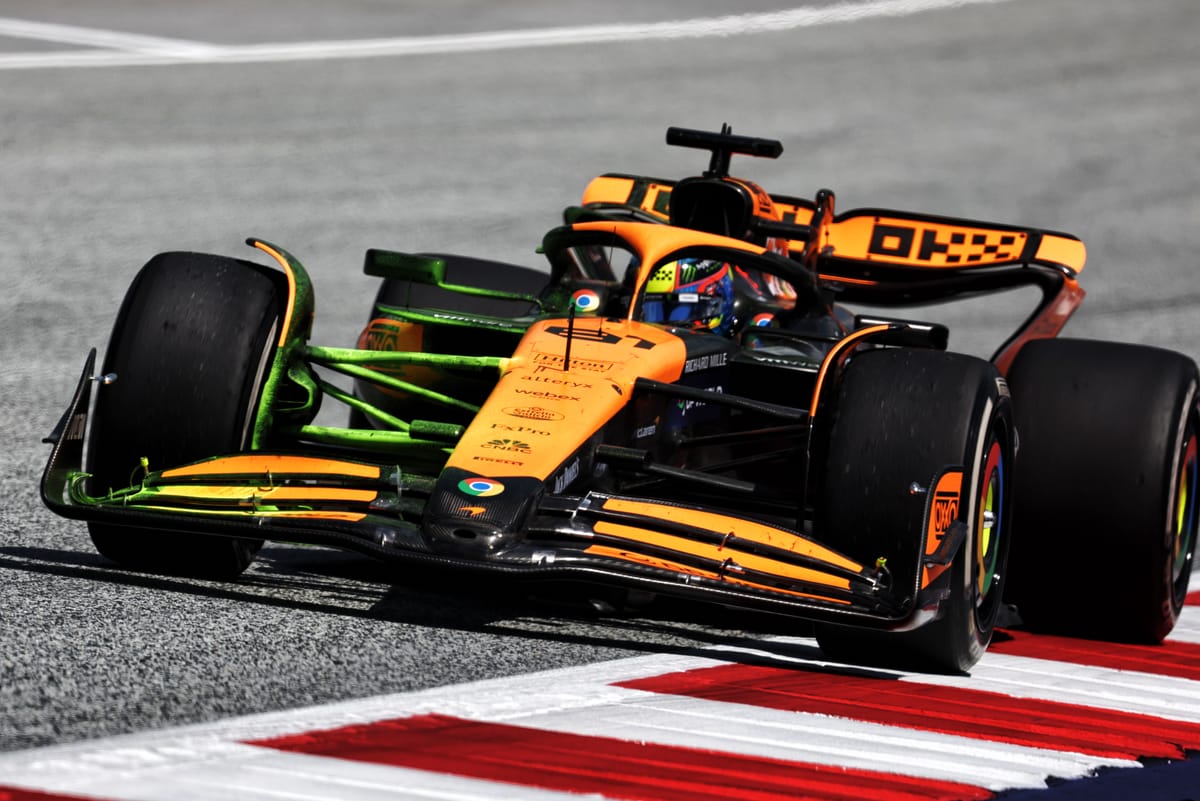
As the regulations take shape, the focus shifts to exploring alternative fuels and improving electric motor technologies. One key restriction includes stringent geometric constraints on the heat engine, which will limit the dimensions of components such as the turbocharger.
The 2026 rules specify a maximum diameter for the compressor of 100 to 110 mm and a turbine diameter between 95 and 105 mm. Furthermore, an essential rule sets a maximum distance of 175 mm between the turbine and compressor impellers, effectively sidelining the split-turbo architecture. This design, notably introduced by Mercedes, allows for greater flexibility in engine performance through its separated components.

**Related:** [FinCEN Announces New Regulations for CVC Mixing to Combat Crime](/article/fincen-announces-new-regulations-for-cvc-mixing-to-combat-crime)
"Considering how the internal combustion engine is much longer than 17 cm, the new regulation effectively bans the architecture of the split-turbo," explained the FIA representative. This innovative configuration had permitted the turbine and compressor to operate as discrete units, enhancing thermal efficiency. By moving the compressor away from the heat of the exhaust system, the engine could maintain significantly cooler intake air temperatures, thus improving overall performance.
"Considering how the internal combustion engine is much longer than 17 cm, the new regulation effectively bans the architecture of the split-turbo,"
Nevertheless, as the regulations evolve, the anticipated benefits of the split-turbo design will no longer be available under the new rules. Engine designers will need to adapt to the new constraints while maintaining or improving performance levels. "Although the second electric motor will disappear from 2026, the split-turbo would have guaranteed important advantages in terms of compromise between aerodynamic dimensions and combustion engine performance," added a technical analyst familiar with the developments.

"Although the second electric motor will disappear from 2026, the split-turbo would have guaranteed important advantages in terms of compromise between aerodynamic dimensions and combustion engine performance,"
Team Dynamics
The implications of these changes will force teams to rethink their engine design strategies in the face of new challenges and opportunities. The move away from the split-turbo signifies not only an adjustment to technological approaches but also a concerted effort towards more sustainable practices within the sport, aligning with F1's long-term sustainability goals.
Current Season
As we stand on the brink of these transformative regulations, the world of F1 racing anticipates a new era of competition that embraces innovation alongside efficiency without compromising the thrill of the race. The 2026 season promises to be a landmark turning point in the formula’s storied history, showcasing what the future holds for motorsport technology.